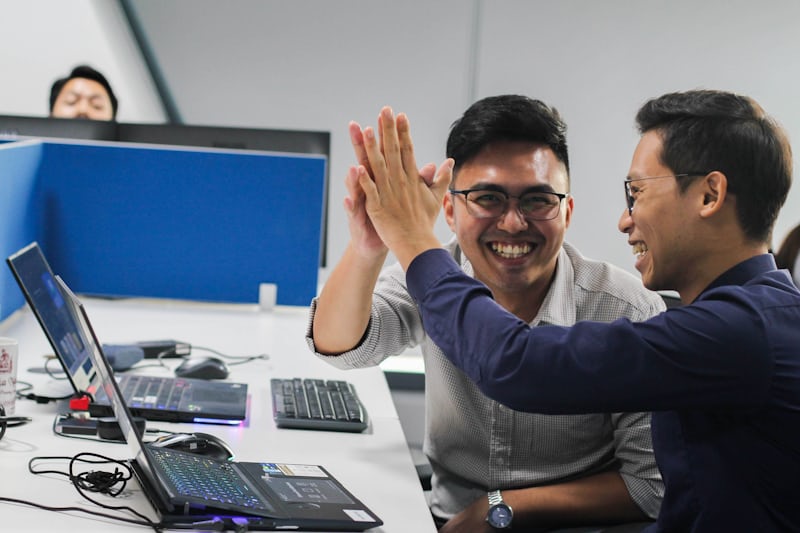
Desk Exercises to Revitalize Your Workday
Introduction
In today's fast-paced work environment, finding time to hit the gym can be a challenge for many professionals. However, neglecting physical activity can lead to health issues and decreased productivity. Thankfully, incorporating desk exercises into your routine can be a game-changer. This comprehensive guide will explore 15 desk stretches and exercises that are perfect for job seekers and professionals alike, aiming to boost your energy and keep you in shape, right from the comfort of your office or home workspace.
Table of Contents
- Introduction
- Key Highlights
- Maximizing Health and Productivity with Desk Exercises
- Desk Stretches to Combat Workday Stiffness
- Empowering Your Workday: Strength-Building Desk Exercises
- Effortlessly Merging Desk Exercises Into Your Daily Workflow
- Maximizing Job Search and Interview Success with Desk Exercises
- Conclusion
- FAQ
Key Highlights
-
Discover the importance of desk exercises for overall health and productivity.
-
Learn 15 easy-to-perform exercises that can be done at your desk.
-
Understand how to safely and effectively execute each exercise.
-
Find tips on incorporating these exercises into your daily work routine.
-
Explore the benefits of regular desk exercises for job seekers and professionals.
Maximizing Health and Productivity with Desk Exercises

In the landscape of modern work where sitting for prolonged periods has become the norm, the importance of desk exercises cannot be overstated. This section explores the critical reasons behind incorporating physical activity into your workday and how it can counteract the health risks of a sedentary lifestyle. Whether you're a job seeker spending hours on applications or a professional glued to your desk, understanding and implementing these exercises can transform your workday, health, and productivity.
Unveiling the Health Risks of Prolonged Sitting
The sedentary nature of desk jobs has significant health implications that cannot be ignored. Prolonged sitting is linked with an increased risk of several health conditions:
- Cardiovascular Diseases: Extended periods of sitting can lead to elevated blood pressure and increased cholesterol levels, heightening the risk of heart disease. American Heart Association recommends regular physical activity to mitigate these risks.
- Obesity: Sitting for too long slows down the metabolic rate, reducing the body's ability to control blood sugar levels, blood pressure, and break down body fat.
- Reduced Metabolic Rate: A sedentary lifestyle contributes to a slower metabolism, leading to difficulties in managing weight and overall health.
Incorporating desk exercises into your daily routine is not just beneficial; it's a necessity for mitigating these risks. Simple activities such as stretching, leg lifts, or even standing periodically can make a significant difference.
The Transformative Benefits of Desk Exercises
Integrating desk exercises into your workday offers a plethora of benefits that extend beyond just physical health. Here are a few ways how desk exercises can enhance your professional life and well-being:
- Improved Posture: Regular stretching and strength exercises can correct poor posture, reducing the risk of back pain, which is common among individuals spending long hours at a desk.
- Enhanced Concentration: Physical activity boosts blood flow to the brain, enhancing cognitive functions and concentration. This can lead to increased productivity and efficiency in completing tasks.
- Boosted Overall Health: Desk exercises can contribute to overall health by improving flexibility, muscle tone, and even mental health by reducing stress levels.
Incorporating short breaks for exercises into your workday not only breaks the monotony but also revitalizes your body and mind, making you more equipped to tackle the challenges of the job market. Start with simple stretches and gradually include exercises that target different muscle groups to enjoy a healthier, more productive workday.
Desk Stretches to Combat Workday Stiffness

In today's high-paced work environment, desk jobs are more prevalent than ever, leading to long hours of sitting which can contribute to muscle tension and decreased flexibility. Incorporating simple, effective desk stretches into your routine can be a game-changer for your physical well-being, allowing you to relieve tension and improve flexibility without leaving your workspace. This section guides you through targeted stretches designed to rejuvenate your body and keep stiffness at bay.
Upper Body Rejuvenation Techniques
Neck Glide - Sit up straight and slowly glide your head back over your shoulders, hold for a count of three, and return to the starting position. Repeat 5 times. This exercise helps in reducing neck strain.
Shoulder Shrug and Roll - Lift your shoulders towards your ears, squeezing them tightly, then roll them back and down. Perform this motion 10 times to relieve shoulder tension.
Wrist and Forearm Stretch - Extend one arm in front of you, palm facing down. With the other hand, gently press down on the fingers of the outstretched hand, stretching the wrist and forearm. Hold for 15 seconds, then switch arms. This stretch is essential for those who type for extended periods.
Incorporating these stretches into your daily routine can significantly decrease upper body tension, leading to improved posture and reduced discomfort.
Lower Body Circulation Boosters
Seated Leg Extensions - While sitting, extend one leg out straight in front of you and hold it in place for a few seconds before lowering it. Repeat with the other leg. Perform 10 repetitions per leg. This exercise helps in enhancing leg circulation and preventing stiffness.
Ankle Rotations - Lift one foot off the ground and rotate the foot in a circular motion, first clockwise, then counterclockwise. Do 10 rotations in each direction before switching to the other foot. This movement aids in reducing ankle stiffness and swelling.
Chair Squats - Stand up from your chair, then lower your body back down, stopping just before you sit. Stand back up. Repeat 10 times. This exercise strengthens the legs and improves lower body flexibility.
Integrating these lower body stretches into your workday can lead to better circulation, enhanced flexibility, and overall improved health, making them invaluable for anyone confined to a desk for long hours.
Empowering Your Workday: Strength-Building Desk Exercises

In today's fast-paced work environment, staying physically active is crucial, yet often overlooked. This section introduces strength-building exercises that are perfectly suited for the office space. These routines require minimal equipment and can significantly enhance your physical well-being right from your desk.
Elevate Your Core: Desk-Based Core Strengthening
Building a strong core is essential for overall body strength and stability, and believe it or not, it can be done without leaving your desk. Core strengthening exercises at your desk not only improve posture but also contribute to a healthier back, reducing the risk of lower back pain - a common complaint among office workers.
- Chair Planks: Utilize your office chair (make sure it's stable) to perform plank exercises. Rest your forearms on the seat and step your feet back until your body forms a straight line. Hold this position for 15-30 seconds, engaging your core muscles throughout.
- Seated Leg Lifts: While sitting, straighten one leg and hold it in place for 5-10 seconds, then switch legs. This not only engages your core but also your leg muscles.
Incorporating these exercises into your daily routine can significantly boost your core strength and stability, leading to better body alignment and reduced discomfort during long hours at your desk.
Arm and Shoulder Fortification: Utilizing Your Desk and Chair
Arms and shoulders can suffer from stiffness and weakening due to prolonged periods of computer work. However, with a few simple exercises, you can combat these issues and build strength in these key areas without needing to step into a gym.
- Desk Push-Ups: Stand a few feet away from your desk, place your hands on the edge of the desk, shoulder-width apart. Lower your body towards the desk, then push back up. Repeat for 10-15 repetitions. This exercise targets your arms, shoulders, and chest.
- Chair Dips: With your back to your chair (ensure it won't roll away), place your hands on the seat behind you and slowly lower your body towards the floor, keeping your elbows at a 90-degree angle. Push back up and repeat. This exercise strengthens the triceps and shoulders.
These exercises are not only effective but also convenient, allowing you to maintain strength and flexibility without disrupting your workday. Start integrating these movements into your routine to experience the benefits of a stronger, more energized body.
Effortlessly Merging Desk Exercises Into Your Daily Workflow

In today's fast-paced work environment, maintaining physical activity can often take a backseat. However, integrating desk exercises into your daily routine is not only beneficial for your health but can also enhance productivity without disrupting your workflow. Let's explore practical strategies for making desk exercises a seamless part of your workday.
Establishing a Consistent Exercise Schedule
Creating a structured routine for your desk exercises is pivotal to reaping their full benefits. Here's how you can start:
- Set Clear Goals: Begin by defining what you want to achieve with your desk exercises. Whether it's improving posture, increasing flexibility, or just breaking up the monotony of sitting, having clear objectives will guide your routine.
- Time It Right: Incorporate short exercise breaks into your schedule at regular intervals. For instance, after every hour of work, take a five-minute break to stretch or do a series of exercises. Tools like Stretchly can remind you to take breaks at set intervals.
- Variety Is Key: Ensure your routine includes a mix of stretches, strength-building exercises, and aerobic movements to keep it interesting and cover all aspects of physical health.
- Track Your Progress: Utilize apps or a simple journal to monitor your exercise routine and progress. This will help you stay committed and make adjustments as needed.
Remember, consistency is crucial. Starting with shorter, more manageable sessions can help integrate these exercises into your daily routine without feeling overwhelmed.
Keeping the Momentum: Strategies for Staying Motivated
Maintaining motivation for regular desk exercises can be challenging, but with the right strategies, it's entirely achievable. Here are some tips to stay motivated:
- Set Reminders: Use your phone or computer to set reminders for exercise breaks. This will help integrate physical activity into your daily routine until it becomes a habit.
- Reward Yourself: Create a reward system for sticking to your exercise schedule. This could be as simple as treating yourself to a favorite snack or coffee after completing a week of consistent exercise.
- Find a Workout Buddy: Having a colleague or friend who shares your goal can significantly increase your motivation. You can remind each other to take breaks and even share new exercises.
- Stay Flexible: Some days will be busier than others, making it hard to stick to your routine. Instead of skipping exercise altogether, adjust your routine to fit shorter exercises. This flexibility will help you maintain consistency without adding stress.
By incorporating these strategies, desk exercises can become an enjoyable and rewarding part of your daily routine, keeping you motivated and focused throughout your workday.
Maximizing Job Search and Interview Success with Desk Exercises

Amid the competitive job market, standing out to potential employers goes beyond having an impressive resume. It extends into personal wellness and presentation, areas significantly impacted by regular physical activity. This segment explores how integrating desk exercises into your routine can not only elevate your physical appearance but also sharpen your mental focus, giving you an edge in your job search and interviews.
Elevating Confidence and Professional Appearance
Boosting Confidence and Appearance
A polished appearance and self-assurance are pivotal in making a memorable first impression. Regular desk exercises can be a game-changer in this aspect. For instance:
-
Strengthening Posture: Engaging in exercises that target the core and back muscles can significantly improve posture. A confident stance can be perceived as a sign of self-assurance and capability.
-
Enhancing Physical Fitness: Simple resistance exercises, like arm curls using water bottles, contribute to muscle tone. A fit appearance often correlates with vitality and energy, traits highly valued in professional settings.
Incorporating these activities subtly into your routine can lead to noticeable changes in how you present yourself. Consistency is key, and even short breaks spent stretching or doing seated leg lifts can cumulate in visible benefits over time.
Sharpening Mental Clarity and Enhancing Focus
Improving Mental Clarity and Focus
The link between physical activity and mental agility is well-documented. Desk exercises serve not just your body but also your brain, offering several benefits crucial for job seekers:
-
Reduced Stress Levels: Activities like deep breathing and seated yoga poses can lower stress, making you more composed during interviews.
-
Increased Alertness: Exercises that increase blood flow, such as chair squats or desk push-ups, can awaken your senses and enhance alertness, helping you to remain focused and articulate your thoughts more clearly during critical conversations.
-
Boosted Creativity: Regular movement has been shown to foster creative thinking, a skill that can distinguish you in problem-solving tasks or when presenting innovative ideas to potential employers.
By embedding these exercises into your daily schedule, you can improve your mental sharpness, ensuring you're at your best when it matters most. Remember, the goal is to integrate these exercises seamlessly, without disrupting your workflow or productivity.
Conclusion
Incorporating desk exercises into your daily routine is a simple yet effective way to improve your health, boost your productivity, and enhance your job search efforts. By taking short breaks to perform these 15 exercises, you can maintain your physical and mental well-being, even on the busiest of days. Remember, staying active is key to achieving a balanced and successful professional life.
FAQ
Q: Why are desk exercises important for job seekers?
A: Desk exercises are crucial for job seekers as they help improve physical appearance, boost confidence, and enhance mental clarity. These benefits are essential for creating a strong first impression during interviews and maintaining focus during the job search process.
Q: Can performing desk exercises really improve my job interview performance?
A: Yes, performing desk exercises can significantly improve your job interview performance. Regular physical activity, even simple exercises at your desk, can boost mental clarity, reduce stress, and increase confidence, enabling you to present yourself more effectively.
Q: How often should I perform these exercises during my workday?
A: Incorporate these exercises into your routine at regular intervals, ideally every hour. This can help mitigate the health risks associated with prolonged sitting and keep your energy levels high throughout the day.
Q: Do I need any special equipment to perform these desk exercises?
A: No, special equipment is not necessary for most of the desk exercises outlined. They are designed to be performed in a small space using items typically found in an office or home workspace, such as your desk or chair.
Q: What are some key benefits of incorporating desk exercises into my daily routine?
A: Desk exercises offer multiple benefits, including improved posture, increased energy levels, enhanced concentration, and better overall health. For job seekers, these exercises can also lead to improved physical appearance and mental clarity, aiding in the job search and interview process.
Q: Can desk exercises help reduce the stress of job searching?
A: Absolutely. Engaging in regular desk exercises can help alleviate stress and anxiety, which are common during the job search process. Physical activity releases endorphins, which are natural mood lifters, helping you stay motivated and positive.
Q: How can I ensure I stick to doing desk exercises regularly?
A: Creating a routine and setting reminders can help ensure you stick to doing desk exercises regularly. Consider scheduling specific times for your exercises and use phone or computer reminders to keep you on track.