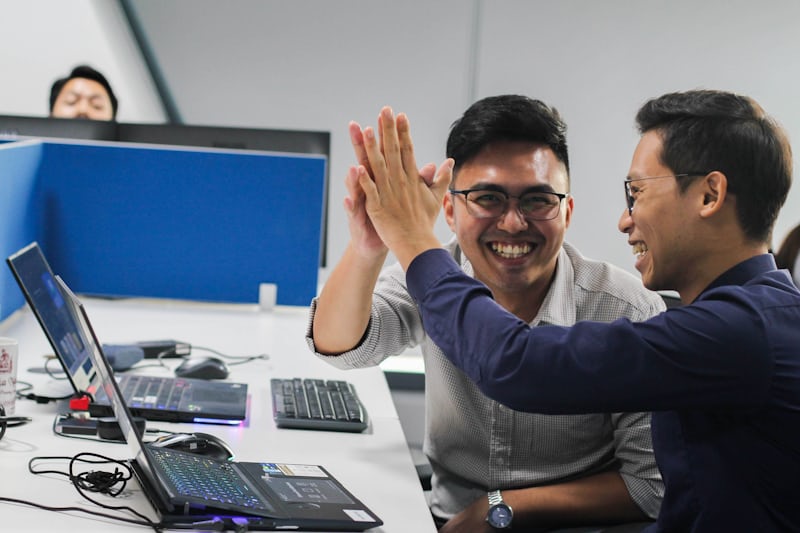
Ace Every Meeting: Stay Prepared
Introduction
Meetings, whether for a job interview, team collaboration, or client discussions, are pivotal moments that can influence your career trajectory. Being unprepared not only diminishes your confidence but also your chances of success. This comprehensive guide will equip job seekers and professionals with the know-how to ace every meeting, ensuring you leave a lasting impression.
Table of Contents
- Introduction
- Key Highlights
- Mastering Meeting Preparation
- Effective Communication Strategies for Winning Meetings
- Navigating the Virtual Meeting Landscape
- Post-Meeting Strategies to Elevate Your Career
- Continuous Improvement and Adaptation for Meeting Success
- Conclusion
- FAQ
Key Highlights
-
Importance of preparation for job interviews and meetings
-
Detailed strategies for effective meeting preparation
-
How to conduct oneself during meetings for maximum impact
-
Post-meeting follow-up essentials
-
Utilizing feedback for continuous improvement
Mastering Meeting Preparation

Embarking on the journey of a successful meeting starts long before entering the conference room. It's the groundwork laid during preparation that elevates your confidence and sharpens your performance. Let's delve into the art of meeting preparation, ensuring you're not just ready, but ahead of the curve.
Deciphering Meeting Objectives
Understanding the why behind a meeting is your first step towards preparation. Is it a job interview, a brainstorming session for a team project, or a high-stakes client negotiation? Each requires a tailored approach. For instance, if it's a job interview, research the company's mission, recent accomplishments, and the role's responsibilities. Prepare answers to common interview questions, but also think of insightful questions to ask, demonstrating your genuine interest. In the case of a team project, understand your project's goals, current status, and how this meeting can propel it forward. A client negotiation calls for a deep dive into understanding the client's needs, industry challenges, and how your offerings align as solutions. Begin with the end in mind to make your preparation focused and impactful.
In-depth Research and Homework
The devil is in the details, and when it comes to meeting preparation, those details can set you apart. Start with the company's website, but then venture beyond. Look into recent news articles, press releases, and industry reports to get a pulse on trends that could influence your meeting. Tools like LinkedIn can provide invaluable insights into the professional backgrounds of your meeting attendees. Understanding their roles, interests, and potential pain points can help tailor your communication to resonate strongly. For example, if you learn that the company has recently expanded into a new market, you can discuss how your skills or services can complement this growth. Additionally, reviewing the company's social media can reveal their corporate culture and recent achievements, providing you with conversational touchpoints that show your thoroughness.
Comprehensive Preparation Checklist
Nothing beats the peace of mind knowing you’ve covered all bases. Here’s a Preparation Checklist to ensure you’re armed and ready:
- Documents: Have copies of your resume, portfolio, or proposal at hand. Digital backups are also prudent.
- Questions: Prepare a list of questions you want to ask, ranging from job responsibilities to company culture.
- Logistics: Confirm the meeting time, location, and any software that might be used (Zoom, Microsoft Teams, etc.). Ensure your tech setup is tested and functional. Zoom’s Test Meeting feature is a great way to check your audio and video beforehand.
- Dress Code: Understand the company's attire expectations—when in doubt, aim for professional.
- Follow-up: Plan your post-meeting follow-up. Draft an email thanking the participants, summarizing key points, and expressing your enthusiasm for next steps.
This checklist doesn’t just prepare you; it positions you as a meticulous and thoughtful candidate or partner.
Effective Communication Strategies for Winning Meetings

Mastering the art of communication is at the heart of every successful meeting. This segment unfolds the secrets to delivering your message with clarity and confidence, ensuring you make a powerful impact in any meeting scenario. Dive into the essence of verbal and non-verbal communication, along with expert strategies for handling questions with poise.
Master Verbal Communication for Impactful Interactions
Verbal Communication Tips
Effective verbal communication transcends merely choosing the right words. It encompasses the how of conveying your message. Here are practical ways to refine your verbal skills:
-
Pacing Your Speech: Speak at a moderate pace to allow your audience to absorb your points. A tool like Speech Pace Analyzer can help you practice and find the right rhythm.
-
Tone Modulation: Use tone variation to emphasize key points and maintain listener interest. Avoid monotonous delivery.
-
Articulating Clearly: Practice enunciating clearly. Tongue twisters can be a fun way to improve articulation.
-
Strategic Pauses: Utilize pauses to give weight to certain ideas and allow your message to resonate.
Each of these techniques contributes to a presentation that's not only heard but understood and remembered.
Harnessing Non-Verbal Communication
Non-Verbal Cues
Your body language speaks volumes before you even utter a word. It's a powerful tool that, when aligned with your verbal message, significantly enhances your communication effectiveness. Here's how to make non-verbal cues work in your favor:
-
Maintain Eye Contact: Eye contact conveys confidence and sincerity. Practice by maintaining eye contact for about 70% of the conversation.
-
Positive Gestures: Use open gestures to suggest openness and agreement. Avoid crossing arms as it may seem defensive.
-
Mind Your Posture: Stand or sit straight, projecting confidence and attentiveness.
-
Facial Expressions: Ensure your facial expressions match the tone of your message. Smiling can make you appear more approachable and engaged.
Combining these non-verbal communication strategies with your verbal messages creates a harmonious and compelling presentation.
Strategies for Handling Questions with Elegance
Handling Questions with Poise
Answering questions effectively is an art that demonstrates your knowledge and confidence. Use these strategies to handle questions, even challenging ones, gracefully:
-
Pause Before Answering: Take a moment to compose your thoughts. This shows thoughtfulness and ensures a well-considered response.
-
Acknowledge the Question: Start by acknowledging the question or paraphrasing it to ensure understanding.
-
Structure Your Response: Use the STAR method (Situation, Task, Action, Result) to structure responses, particularly for complex answers.
-
Turn Challenges into Opportunities: Address difficult questions by pivoting to your strengths or how you've overcome similar challenges in the past.
Employing these techniques will help you navigate questions with poise, leaving a lasting positive impression on your audience.
Navigating the Virtual Meeting Landscape

In today's fast-paced world, where remote work is becoming the norm, mastering the dynamics of virtual meetings is more crucial than ever. This section explores how to make a positive and lasting impact in any virtual setting, ensuring your contributions are both noticed and valued.
Crafting Your Technical Setup for Success
Ensuring your technology doesn't become a barrier to your success in virtual meetings involves more than just a stable internet connection. Here are practical applications and examples:
- Internet Reliability: Invest in a high-quality internet service. A wired connection can be more reliable than wireless. Tools like Speedtest can help you check your connection speed before important meetings.
- Software Familiarity: Familiarize yourself with the meeting software in advance. Whether it's Zoom, Microsoft Teams, or Google Meet, knowing how to navigate features like screen share or virtual backgrounds can set you apart.
- Audio-Visual Quality: High-quality headphones with a noise-cancelling microphone and a webcam with clear video output are essential. Test your equipment prior to the meeting to avoid any technical glitches.
These steps not only prevent potential technical difficulties but also demonstrate your professionalism and dedication to effective communication.
Adhering to Virtual Meeting Etiquette
Professionalism doesn't pause in virtual settings. Best practices for maintaining professionalism include:
- Attire: Dress as you would for an in-person meeting. This shows respect for your colleagues and clients.
- Background and Lighting: Use a neutral background and ensure your face is well-lit. Tools like Lume Cube can enhance your lighting setup.
- Timely Entry: Joining the meeting 5-10 minutes early can help address any last-minute technical issues and shows your punctuality.
Following these guidelines helps create a professional atmosphere that can lead to more productive and engaging meetings.
Boosting Engagement and Interaction
Keeping participants engaged and interactive in a virtual setting can be challenging but is crucial for a successful meeting. Here are some techniques:
- Active Participation: Encourage questions and discussions by asking open-ended questions to the group.
- Visual Aids: Use slides, infographics, or videos to make your points more engaging. Tools like Canva offer easy-to-use templates for creating visual aids.
- Breakout Rooms: If the platform allows, use breakout rooms for smaller group discussions. This can make larger meetings feel more intimate and give everyone a chance to contribute.
Implementing these strategies can transform passive listeners into active participants, making your virtual meetings more dynamic and memorable.
Post-Meeting Strategies to Elevate Your Career

Once a meeting concludes, the opportunity to solidify impressions and foster future collaborations begins. Effective post-meeting strategies are pivotal in turning a single interaction into a stepping stone for career advancement. This section delves into how to craft compelling follow-up communications and utilize feedback for professional growth, ensuring each meeting serves as a building block for success.
Crafting Compelling Follow-Up Emails
The art of follow-up communications lies in striking a balance between professionalism and personal touch. Crafting impactful follow-up emails is not just about reiterating the discussions but also about expressing continued interest and gratitude. Here’s how to make your follow-up emails stand out:
- Subject Line Matters: Start with a catchy subject line that references a key discussion point from the meeting. For example, 'Inspired by Our Conversation on [Topic]'.
- Personalize Your Message: Address the recipient by name and mention a specific detail from the meeting to show attentiveness.
- Summarize Key Points: Briefly recap the main ideas discussed, emphasizing how you can contribute to these objectives.
- Include a Call to Action: End with a proactive statement, suggesting a next step or expressing eagerness to contribute.
- Timeliness is Key: Send your email within 24 hours post-meeting to keep the momentum going.
For templates and more tips on effective email communication, visiting sites like Mailchimp can provide valuable insights.
Utilizing Feedback for Professional Growth
Feedback is a gift that, when utilized effectively, can catalyze professional growth and enhance future meeting performances. Here’s how to approach feedback post-meeting:
- Seek Out Feedback: Don’t wait for feedback to come to you. Be proactive and ask attendees for their input on your contributions.
- Reflect on the Feedback: Take time to genuinely consider the feedback, identifying areas for improvement and strengths to leverage.
- Develop an Action Plan: Based on the feedback, outline specific steps you can take to address areas of improvement. This might include seeking out additional training, mentorship, or practicing certain skills.
- Implement and Review: Implement your action plan and, after a period, review your progress. Adjust your approach as necessary to ensure continuous improvement.
For resources on professional development and feedback utilization, platforms like LinkedIn Learning offer courses and insights to aid in your journey.
Continuous Improvement and Adaptation for Meeting Success

In the world of professional engagements, each meeting is a stepping stone towards greater success. Staying prepared means not just getting ready for the next meeting but also learning and evolving from each one you attend. This section is designed to guide you through the continuous journey of improvement and adaptation, ensuring you're always at the top of your game.
Harnessing Lessons from Past Meetings
Every meeting, regardless of its outcome, holds valuable lessons. Learning from Experience involves a reflective practice where you dissect aspects of the meeting to identify what worked in your favor and what didn’t. For example, after a team project discussion, take a moment to reflect on the feedback received. Was your proposal clear and concise? Did you address all concerns raised?
-
Practical Application: After each meeting, jot down three key takeaways: what you did well, what could have been done better, and one new idea you learned. This can be done using digital tools like Evernote for easy tracking and reference.
-
Example: If during a client presentation you noticed engagement spiked with visual aids, make a note to incorporate more relevant visuals in future pitches. Conversely, if certain questions caught you off guard, plan to conduct more thorough research or include an FAQ section in your next meeting.
Keeping Pace with Industry Evolution
The professional world is in a constant state of flux, with new technologies, trends, and best practices emerging regularly. Staying Informed and Updated is crucial for maintaining a competitive edge and ensuring your meeting strategies are not outdated.
-
Practical Application: Dedicate at least an hour each week to reading industry-related news, participating in webinars, or taking online courses. Resources like Coursera offer courses across a wide range of topics, helping you stay updated on the latest industry trends and technological advancements.
-
Example: If you’re in digital marketing, staying updated on SEO best practices can significantly enhance your meeting pitches, making them more compelling and relevant to current market dynamics. Similarly, understanding the latest virtual collaboration tools can improve your efficiency in remote meetings, a crucial skill in today's work environment.
Conclusion
Being unprepared for a meeting can significantly impact your professional image and opportunities. This guide has outlined key strategies and tips to ensure you're always prepared, no matter the context of the meeting. Embrace these practices, and you'll not only ace your meetings but also advance your career with confidence.
FAQ
Q: What are the key steps to prepare for a job interview?
A: Start by researching the company's culture, products, and the interview panel. Understand the job role deeply and align your experiences and skills accordingly. Prepare your answers for common interview questions, and have questions ready to ask the interviewer. Lastly, review your resume and prepare tangible examples to demonstrate your accomplishments.
Q: How can I make sure I'm well-prepared for any meeting?
A: Preparation involves understanding the meeting's objective, researching attendees and topics, and preparing your talking points and questions in advance. Also, ensure you have all necessary documents and technology set up before the meeting starts.
Q: What should I do if I'm asked a question I don't know the answer to in a meeting?
A: It's important to remain calm and composed. You can say something like, 'I don't have that information right now, but I will make sure to follow up after the meeting with an answer.' This shows your willingness to find solutions and maintain professionalism.
Q: How important are non-verbal cues in a job interview or meeting?
A: Extremely important. Non-verbal cues, such as eye contact, body language, and facial expressions, complement your verbal communication and can significantly impact the impression you make. Practice positive, confident body language to enhance your message.
Q: Can you give tips for virtual meeting success for job seekers?
A: Ensure your technology works well before the meeting starts. Use a professional-looking background, dress appropriately, and join the meeting a few minutes early. Make eye contact by looking at the camera, speak clearly, and stay engaged throughout the meeting.
Q: How can post-meeting strategies improve my job search?
A: Following up after meetings with a thank-you email can leave a positive impression. It's also an opportunity to summarize the discussion points and express your enthusiasm for the position. Using feedback from meetings can help you improve for future interviews.
Q: What's the best way to handle difficult questions during a job interview?
A: Listen carefully and take a moment to gather your thoughts. Address the question directly, and if possible, relate your answer to a positive outcome or learning experience. It's okay to ask clarifying questions if you're unsure about what's being asked.
Q: How can I continuously improve my meeting and interview skills?
A: Reflect on each meeting or interview to identify what went well and what could be improved. Seek feedback from peers or mentors and consider their insights. Stay informed about industry trends and enhance your skills through courses or practice interviews.